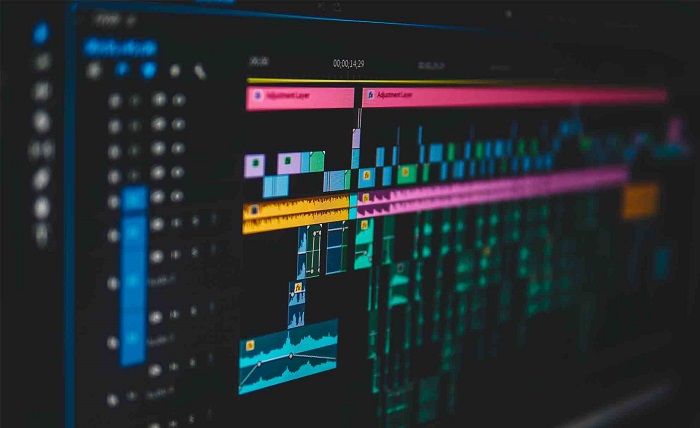
Why Every Edit Is A Decision With Uncertain Outcome
Editing is not a neutral step. It is a chain of decisions under uncertainty.
A creator starts with raw footage. Long takes. Extra pauses. Imperfect moments. The goal is to shape this into something that holds attention. But no edit comes with a guarantee. A cut can sharpen the story or break its flow. A transition can add energy or feel forced. A sound cue can lift a moment or distract from it.
Each choice acts like a small bet. The creator asks, “Will this make the viewer stay, or leave?” The answer is never fully known in advance.
This uncertainty comes from the viewer. People do not watch in a controlled setting. They scroll. They skip. They compare one video to dozens of others in seconds. The editor must act without seeing this reaction in real time.
Timing increases the risk. Cut too early, and the moment feels rushed. Cut too late, and the viewer drifts. There is a narrow window where the cut feels right. Finding that window requires judgment, not rules.
Effects add another layer. Color, motion, text, and sound can improve clarity. They can also overload the frame. The editor must decide how much is enough. There is no fixed limit. Only feedback over time.
Even structure carries risk. Where to start. When to reveal key information. How to end. Each choice shapes retention. A weak opening loses the viewer before the story begins. A weak ending reduces impact.
This is why editing feels closer to strategy than assembly. The creator is not just arranging clips. They are predicting behavior. They are placing choices in sequence and hoping those choices align with how people watch.
Over time, patterns emerge. Some cuts work more often. Some rhythms hold attention better. But the risk never disappears. Each new video resets the field.
In the end, editing is not about removing uncertainty. It is about making better decisions within it.
Cuts And Pacing: How Timing Controls Attention Second By Second
Attention lives in seconds. Editing controls those seconds.
A cut does one job. It decides when to move on. Too slow, and the viewer feels drag. Too fast, and the scene loses meaning. The editor works between these limits, adjusting pace until the flow feels natural.
This process resembles how an online slots site controls tempo. Each spin has a rhythm. Not too long, not too short. Enough time to build tension, then release it. Editing follows the same logic. Hold just long enough to create interest, then cut before the viewer loses focus.
Good pacing uses variation. Short cuts increase energy. Longer shots create space. Switching between them keeps the viewer alert. A flat rhythm, even if technically correct, becomes predictable. Predictability leads to drop-off.
Editors also track micro-signals. Eye movement. Sound peaks. Motion in the frame. These cues guide where a cut should land. A cut placed on motion feels smooth. A cut placed against it feels abrupt.
Sequence matters. A strong cut can lose power if it follows a weak one. Editors think in chains, not single moves. Each decision affects the next.
There is also context. Fast pacing works for short-form content. Slower pacing fits longer narratives. The editor adjusts based on platform and audience expectation.
The key is control. Not speed alone, but timed change. Each cut should serve a purpose: remove dead space, highlight action, or shift focus.
When pacing works, the viewer does not notice the cuts. They stay inside the flow. When it fails, the cuts become visible, and attention breaks.
Editing, at its core, is the management of time. Each second is placed with intent.
Effects And Visual Choices: When Enhancement Turns Into Risk
Effects promise impact. They also carry cost.
Color grading can shape mood. A warm tone can feel inviting. A cold tone can feel sharp or distant. The wrong grade can flatten the image or distort skin tones. The viewer may not name the problem, but they feel it.
Motion effects add energy. Zooms, pans, and transitions can guide attention. Used well, they keep the eye moving with purpose. Used poorly, they create noise. The frame starts to compete with itself.
Text overlays clarify meaning. They can anchor key points or highlight steps. Too much text crowds the screen. The viewer splits focus between reading and watching. Both suffer.
Sound design works the same way. A clean hit, a soft rise, a well-placed cut can lift a moment. Layer too many sounds, and clarity drops. The message becomes muddy.
Each effect is a trade-off. It can improve one part of the scene while weakening another. Editors must judge where the gain is worth the cost.
Consistency matters. Effects should follow a clear style. Sudden changes break cohesion. A video that shifts tone without reason feels unstable.
Context sets limits. Short-form content may allow stronger effects. Long-form content often needs restraint. The same effect can feel sharp in one format and heavy in another.
The rule is simple. Use effects to support the message, not replace it. If an effect draws attention away from the core action, it fails its role.
Good editors test this by removal. If the scene works without the effect, the effect must justify its place. If it does not, it goes.
In the end, effects are tools, not shortcuts. Each one carries risk. The skill lies in knowing when to add and when to hold back.
Structure And Hook: Where The First Seconds Decide Everything
The first seconds carry the highest risk. They decide whether the viewer stays or leaves.
A strong hook does one thing fast. It creates curiosity or value. It can show a result before the process. Ask a sharp question. Start with motion. Or place the most interesting frame at the front. The goal is clear: stop the scroll.
Editors shape this with structure. They move key moments forward. They remove slow setups. They compress context into a few frames. If the idea cannot land early, the viewer will not wait for it.
After the hook, the structure must hold. Each segment should answer the question raised at the start. If the video promises a result, it must show progress toward that result. If it promises a story, it must move the story forward without delay.
Clarity matters. Each cut should make the next step easier to follow. Confusing sequences break attention. The viewer should never ask, “What is happening?” for more than a moment.
Endings close the loop. A clear finish reinforces the message. It can show the outcome, restate the value, or leave a final image that stays in memory. A weak ending wastes the build.
Editors often work backward. They define the ending first, then build the path to it. This keeps the structure tight and avoids drift.
The key principle is simple. Front-load value. Maintain direction. Close with purpose.
When structure works, the viewer moves through the video without friction. When it fails, attention drops early and does not return.
Better Editing Comes From Better Decisions Under Uncertainty
Editing does not remove risk. It organizes it.
Each cut, effect, and timing choice carries uncertainty. The editor cannot see the viewer’s reaction in advance. They must act with partial information and refine over time.
Strong editors rely on patterns and feedback. They test pacing. They remove what does not hold attention. They keep what works. Over many videos, small improvements add up.
They also stay disciplined. Not every effect is needed. Not every moment deserves space. Clear structure and clean timing often outperform complexity.
The goal is not perfection. It is consistent improvement in decision quality. Better cuts. Better timing. Better alignment with how people watch.
In the end, editing is a series of controlled bets. The editor places them with intent, adjusts based on results, and builds a system that works more often than it fails.